Education For Life Academy
Where Black History Lives!

The Standing on the Shoulders of Giants Curriculum

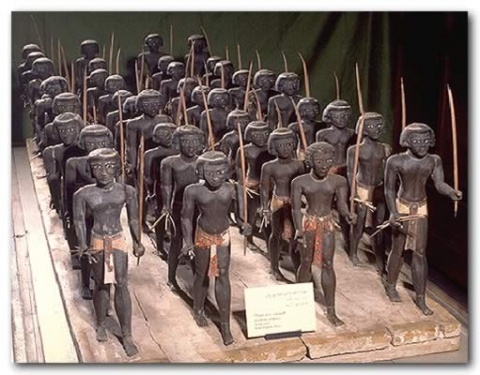
Nubian warriors were known for their fierceness in battle and their skill with the bow and arrow. In 750 B.C.E. Nubian warriors conquered Egypt and dispelled the foreign invaders. The 25th and 26th Dynasties represented ancient Egypt's last Golden Age of native African rule. The 25th Dynasty were from Nubia and the 26th Dynasty ruled from Sais.

Class Overview cont.
Click to enlarge
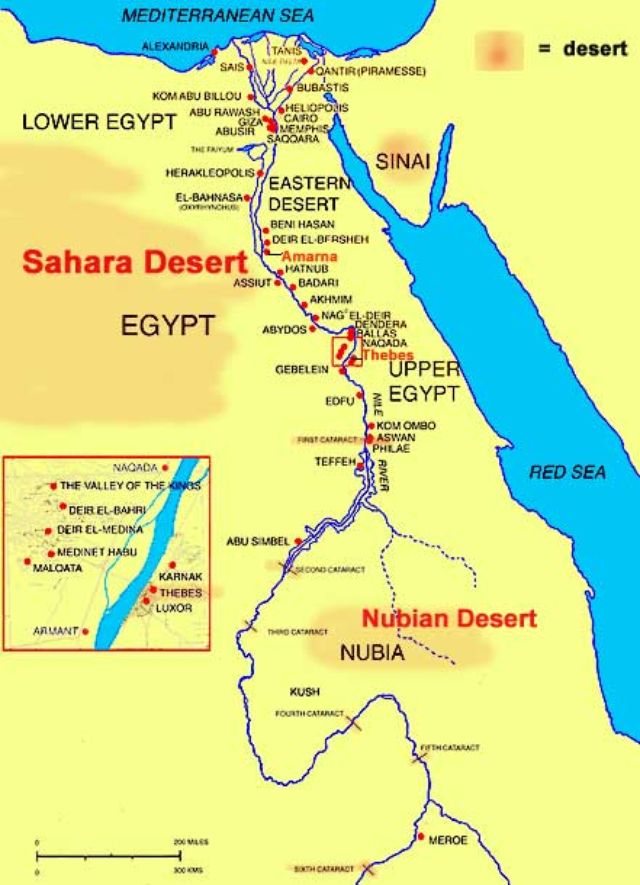
Archeologists have divided Nubian history into arbitrary designations called the A Group, B Group, and C Group. In other instances, the archeological site determines the name of the people such as the Kerma culture—named after the city of Kerma—and the Meroitic civilization—named after the city of Meroe. Due to the absence of archeological evidence and an inability to decipher the Meriotic writing system (which shares similarities with Egyptian hieroglyphics), much about the Ancient Nubians is still unknown.
The relationship between Nubia and Kemet is often relegated to the 25th Dynasty, a period of Nubian (Kush) rule over Kemet, which is also referred to as the era of the “Black Pharaohs.” The reference to Kushite rulers as the “Black Pharaohs” or “Black kings” of Kemet wrongly suggests that Black Africans never ruled Kemet and denies the reality that the Ancient Kemites/Egyptians were also Black according to modern conceptions of race. The 25th Dynasty is significant because it represented a renaissance or high mark in Ancient Kemetic history, establishing one of the largest empires in ancient times, and the last Golden Era of native African rule of Egypt. By 750 B.C.E., Kemet had suffered a period of economic decline and disunity as a result of the influx of Libyan invaders. In the mid-eighth century, Nubians conquered Kemet, reunited the upper and lower regions, and reinvigorated Kemetic material culture. The 25th Dynasty ruled Kemet for more than a century until the Assyrian conquest around 650 B.C.E.

Unit 1: Ancient Africa (200,000 B.C.E. – 476 A.C.E.)
Class 4: Ancient Nubia/Kush (6000 B.C.E. 664 A.C.E.)