
Education For Life Academy
Where Black History Lives!

Curriculum Units 6 - 10
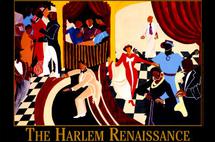
UNIT 6 – THE GREAT MIGRATION & HARLEM RENAISSANCE (1919 – 1935)
Primary sources in this unit document the push and pull factors that contributed to the urbanization of Black populations and the movement of hundreds of thousands of Black Southerners to northern cities during the first decades of the twentieth century. Students will analyze letters, newspaper articles, music, pamphlets, speeches, photography and art to uncover the significance of Black community building in the era of the Great Migrations. The rise of the "New Negro," the Harlem Renaissance (as well as art communities in other major cities) and Marcus Garvey's "Back to Africa" movement--the largest mass movement in African American history will also be studied in this unit.
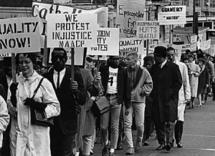
UNIT 7 – THE CIVIL RIGHTS MOVEMENT (1908 – 1965)
This unit broadens the scope of the history of the Civil Rights Movement by exploring documents pertaining to the fight against segregation, racial discrimination and economic oppression over the course of the twentieth century. Beginning with the founding of the Niagara Movement in 1905, which became the NAACP by 1909, this unit guides students through a study of the often neglected aspects of civil rights struggles, including the centrality of union organizing in the 1930s and 1940s; the strategies of Black women leaders such as Ella Baker, Diane Nash and Fannie Lou Hamer; and the interplay between non-violence and armed self-defense. Students engage a wide range of activists and strategies in order to deepen their understanding of the most celebrated protest movement in African American history.
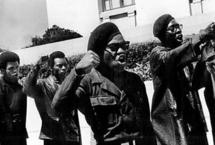
UNIT 8 – THE BLACK POWER MOVEMENT (1966 – 1976)
UNIT 9 – POST-CIVIL RIGHTS POLITICS (1972 – 2000)
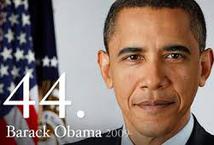
UNIT 10 – THE "OBAMA" ERA (2008 – PRESENT)
This unit highlights the diverse expressions of Black Power and its transformative visions of liberation. In addition to the Black Panther Party, students will examine documents from various grassroots struggles that were extensions of Black Power including urban rebellions in major cities; the rise of Black Feminism; the Black Arts Movement; and the Black Student Movement and its fight for Black Studies. This unit also explores the international scope of Black Power through primary sources related to Third World politics, Pan-Africanism and anti-colonialism in Africa and the African Diaspora.
Organized around the theme, “From Protest to Politics,” this unit will examine the social, political and economic factors that shaped African American life and opportunity in the aftermath of the Civil Rights and Black Power movements. Classes will explore the expansion of the Black middle class alongside incessant poverty within African American communities; the independent school movement; Black presidential politics; and Black popular culture. Students will also consider how policies from the 1970s, 1980s and 1990s created new challenges for the quest for racial equality and social justice.

Coming soon!
Coming soon!
Coming soon!
Coming soon!
Coming soon!
The election of the first Black President of the United States of America – Barack Obama, marks a new era of American history. Shortly after the first election of President Obama many people began talk of a “post-racial” America, insinuating that the election of Barack Obama signaled the official end of racism. This Unit examines the racial dynamics of the “Obama era” and the impact his election has had on Black culture and race in America. This unit also examines hip-hop and its impact on Black youth culture and social media as a new weapon for social change.
