Education For Life Academy
Where Black History Lives!

The Standing on the Shoulders of Giants Curriculum




Class Overview cont.


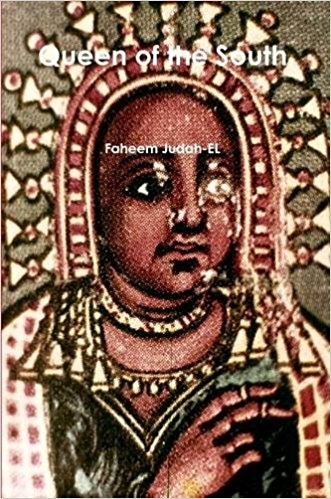
Queen of the South, by Raheem Judah-El
Unit 1: Ancient Africa (200,000 B.C.E. – 476 A.C.E.)
Class 13: The Queen of Sheba & Solomon (10th Century B.C.E. – 955 B.C.E.)

Based on the Biblical text - the oldest reference to her, the Queen of Sheba was from Ethiopia and ruled the Kingdom of Sheba. Physical evidence suggests that the kingdom of Sheba stretched from Ethiopia to the area, which is now Yemen. It is highly unlikely that the Queen of Sheba would be from Yemen, since the Biblical text calls her the Queen of Ethiopia. Also, there are no known female queens in Yemen during this period of history. However, Africa has a longstanding tradition of female rulers dating all the way back to Hatshepsut. This tradition is almost exclusively African, which lends more credence to the fact that the Queen of Sheba was not from Yemen.
I include the story of the Queen of Sheba because of her lore in popular culture and her relationship to ancient African religious history. Africa figures a part in all major world religions, and without prejudice. The negative depictions of Black and African people and the denigration of African history is a modern phenomenon, roughly 500-years old. Racism was created to justify the wholesale enslavement of Africans. Therefore, Whites had to convince the world that Africans were inferior people who had no history and contributed nothing to civilization, and thus were destined for permanent enslavement. The story of the Queen of Sheba contradicts this assessment of African history and African people. She is yet another example of the power and influence Black people had in world history. Her story highlights the lack of racism in the ancient world, as the African genius was evident and African power was enforced.
Page 2 of 2


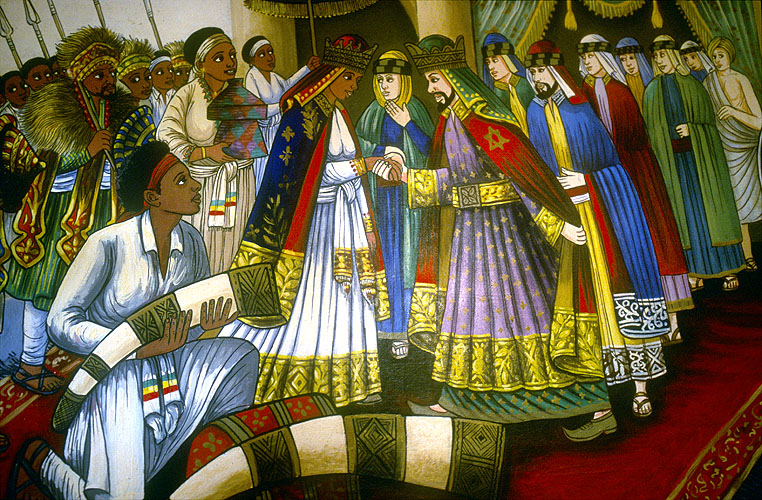
A more balanced portrayal of the meeting between the Queen of Sheba and King Solomon.