
Education For Life Academy
Where Black History Lives!

The Standing on the Shoulders of Giants Curriculum
The Legacy of Racial Theories
The images of Ancient Egypt as a Mediterranean, Middle Eastern, Asian or Caucasian civilization are so common in historical and popular imagination that it is difficult for many to believe that Black Africans are responsible for its founding and development. Rarely are Ancient Egyptians depicted as Black unless they are portrayed as slaves. Why do dominant historical and cultural narratives deny African origins of Ancient Egyptian civilization? And why do many scholars continue to omit and distort evidence of African rule over Ancient Egypt?
In this lesson students will contemplate the merits of the “great race debate” by examining a range of physical evidence including statues, papyri, tomb paintings; monuments; eyewitness accounts from the ancient Greeks; archeological and historical research; and the personal testimony of the Ancient Egyptians themselves. Students will reflect on their own perceptions of Ancient Egypt and identify how education and culture have influenced their perspectives.
Class Overview cont.
Page 3 of 3
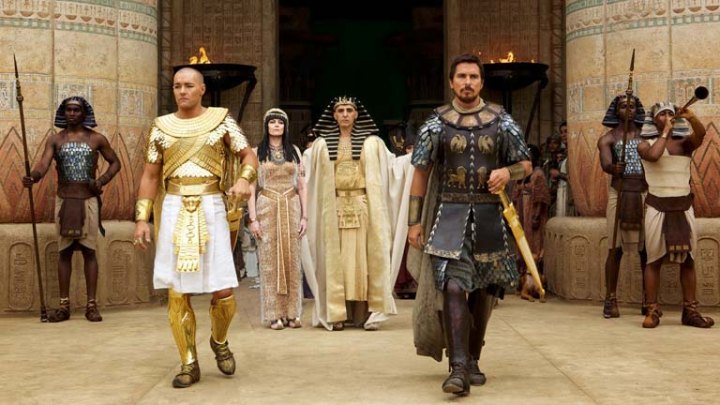
A Depiction of Ancient Egyptians in Ridley Scott's film Exodus: Gods and Kings (20th Century Fox, 2014). Notice the Black slaves/servants on the far left and right corners and Europeans as the rulers of ancient Egypt. This type of propaganda is the norm when ancient Egypt is involved.
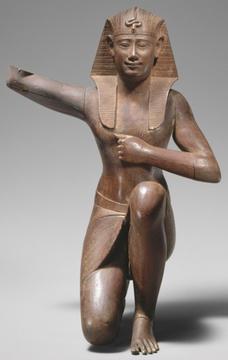
Ritual figure, 4th century B.C.E. – early Ptolemaic Period (380–246 B.C.E.). The Greeks who occupied ancient Egypt clearly imitated Egyptian culture. The foundations of Greek and Roman high culture owe much to Egyptian culture.

Unit 1: Ancient Africa (200,000 B.C.E. – 476 A.C.E.)

Class 6: The Whitening of Ancient Kemet/Egypt
